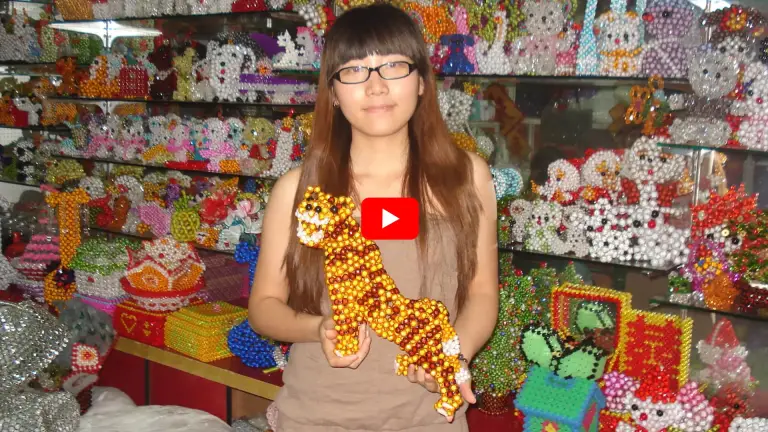
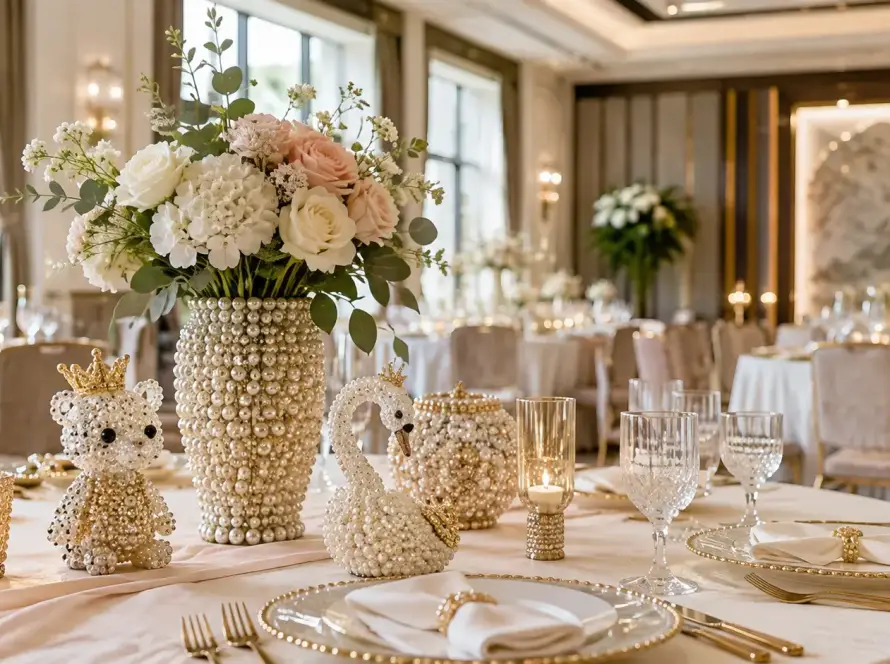
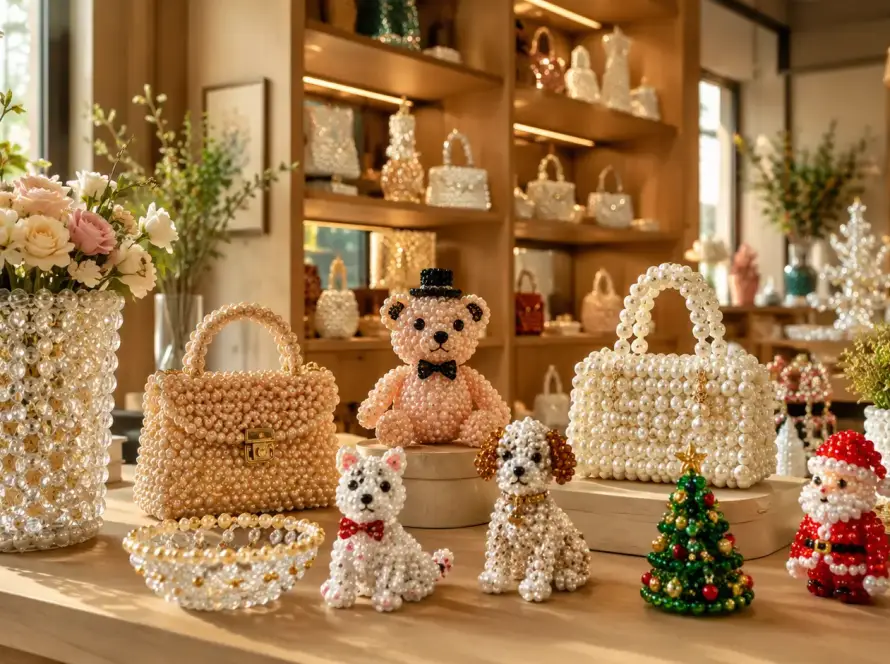
Sourcing from handicraft wholesale suppliers looks simple on the surface: browse a catalog, compare prices, and place an order. But bead craft products are a different animal from most wholesale goods. Every bag, vase, figurine, or ornament is built bead by bead, often by hand, which means quality, consistency, and lead time can vary far more than they would with machine-molded items.
For retailers, distributors, and boutique owners, that variability translates directly into risk. A bulk order that looks great in a product photo can arrive with mismatched colors, loose beadwork, or a lead time that blows past your selling season. The good news is that most of this risk is avoidable if you ask the right questions before you commit to a container-sized order.
This guide walks through eight questions every buyer should ask when evaluating beaded handicraft wholesale suppliers, whether you are exploring ready made handicraft wholesale catalogs, considering custom handicraft wholesale programs, or just beginning your handicraft wholesale sourcing process from scratch. The same questions apply whether you call it handicraft wholesale or handcraft wholesale sourcing — the terminology varies by region, but the risks are the same.
I. Is the Product Truly Handmade or Machine-Assisted?
“Handmade” is one of the most overused words in the crafts wholesale industry, and it means different things to different factories. Some beaded items are entirely hand-strung and hand-shaped. Others are assembled around a machine-molded frame, with beads glued or wired on afterward. Neither approach is inherently wrong, but they affect price, texture, and how honestly you can market the product to your own customers.
Before placing an order, ask the supplier what percentage of the piece is hand-assembled, which components (if any) are machine-made, and whether the construction method changes between product lines. A transparent handicraft supplier will walk you through their process in detail rather than giving a vague “yes, it’s handmade” answer. This matters just as much for marketing compliance as it does for quality control, especially if you plan to label items as artisan-made or handcrafted on your own storefront.
II. What Is the MOQ — And Is It Flexible?
Minimum order quantity is often the first filter buyers use when shortlisting handicraft wholesale suppliers, but the number on a website rarely tells the whole story. Some factories quote MOQ per individual design, others calculate it across a mixed order of several SKUs, and some will flex the minimum for a first-time buyer who commits to reordering.
If you are testing a new bead craft line or entering an unfamiliar market segment, a low or flexible MOQ lets you validate demand without tying up capital in inventory you’re not sure will sell. Ask specifically whether MOQ applies per color, per style, or per total order, and whether mixing designs within one shipment is allowed. This single conversation can save a new brand from over-committing on an unproven design.
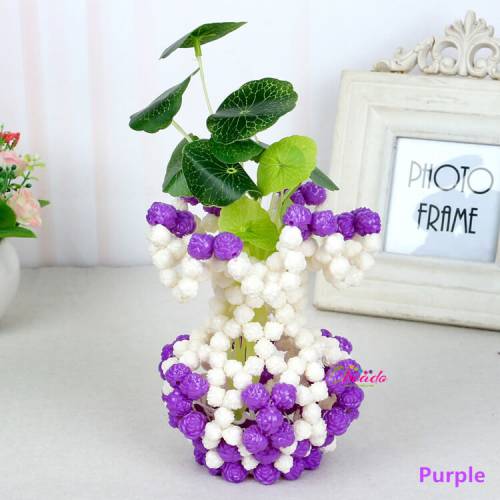
III. Can I Get a Sample Before the Bulk Order?
Requesting a sample should never be optional when you’re sourcing beaded handicraft wholesale. Photos and product listings cannot show you how a bead feels in the hand, how securely it’s attached, or how the finished piece holds up during shipping. A sample is your only chance to inspect these details before hundreds or thousands of units are on a boat.
When the sample arrives, check for color accuracy against the original reference, bead adhesion and thread or wire tension, overall weight and structural stability, and how the piece is packaged for transit. If a supplier resists sending a sample, or charges an unreasonable fee without offering to credit it back on the bulk order, treat that as a warning sign rather than standard practice.
IV. What Materials Are Used for the Beads and Core Structure?
Not all beads are created equal. Glass beads offer a premium look and durability but add weight and cost. Acrylic and plastic beads are lighter and more budget-friendly, which suits high-volume, price-sensitive retail. Pearl and faux-pearl beads occupy a middle ground popular in wedding and gift markets. Beyond the beads themselves, the core or frame material — wire, wood, or fabric backing — determines how well the piece holds its shape over time.
Match the material to your end market. A hotel or restaurant décor buyer may prioritize durability and weight, while a wedding favor buyer may care more about a delicate, premium finish. Asking your supplier to specify materials line by line, rather than describing everything simply as “beads,” gives you the information you need to set accurate pricing and manage customer expectations. It’s also worth asking whether the supplier can source alternative bead types for the same design, since this flexibility often makes the difference between a product that fits one market and a product line that can serve several.
V. Do You Offer OEM/Custom Design Services?
If you’re building a private label or want products your competitors can’t simply reorder from the same catalog, custom handicraft wholesale services are worth asking about early. OEM capability can include custom color palettes, exclusive shapes or figures, private branding tags, and tailored packaging.
Ask what the design process looks like from concept to sample, whether there’s a minimum order tied to custom work, and how design files or reference images are handled. Suppliers who regularly support OEM programs should be able to show you previous custom projects, not just their standard product line. This is also a good moment to clarify who owns the design once it’s finalized, particularly if you plan to keep it exclusive to your brand.
VI. How Do You Ensure Quality Consistency Across a Large Order?
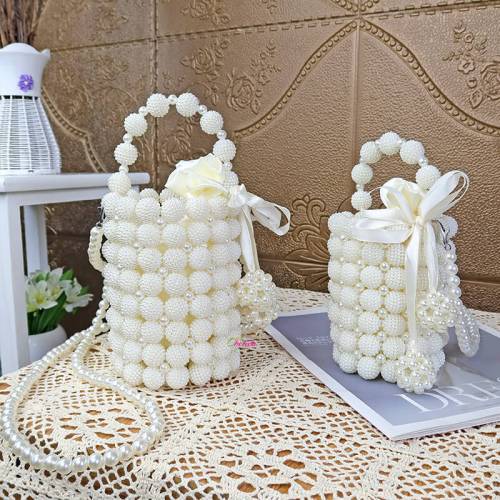
Handmade production introduces natural variation, but a well-run factory manages that variation instead of ignoring it. When you scale from a single sample to a bulk order of several thousand pieces, the risk is that bead spacing, color matching, and overall sizing start to drift across the batch.
Ask about the supplier’s inspection process: how many quality checkpoints exist during production, what the acceptable defect rate is, and how they handle rework or replacement for pieces that don’t pass inspection. Some suppliers can also provide inspection reports or photos at key production stages, which is especially useful if you can’t visit the factory in person before shipment. For buyers ordering handicraft for sale across multiple retail locations, this kind of documented consistency matters more than it might for a single boutique display, since customers at different stores will be comparing the same product side by side.
VII. What Are the Realistic Lead Times and Shipping Options?
Hand-assembled products simply take longer to produce than machine-made goods, and that reality needs to shape your planning calendar. Lead times can also shift based on order size, whether custom design work is involved, and seasonal demand spikes — bead craft factories doing handicraft wholesale from China, for example, often see longer queues ahead of the Christmas and wedding seasons.
Ask for a realistic production timeline broken down by order size, not just a best-case estimate, and clarify shipping options such as sea freight versus air freight along with their respective costs and transit times. Buyers who lock in orders too close to their selling window are the ones most likely to be disappointed by a supplier’s timeline, even when the supplier is being honest about it.
VIII. What Is the Pricing Structure — And What's Included?
A quoted unit price rarely tells the full financial picture. Factory-direct pricing typically cuts out middleman markups, but you still need to confirm what’s bundled into that number and what’s billed separately. Common add-ons include sample or tooling fees, custom packaging, inland freight to the port, and payment processing terms.
Ask your supplier to itemize the quote rather than accepting a single lump-sum figure, and compare payment terms (deposit percentage, balance due date, accepted payment methods) alongside the unit price. If a quote for genuinely hand-assembled bead craft items seems dramatically cheaper than every other handicraft supply option you’ve reviewed, it’s worth asking pointed questions about labor practices and material quality before you commit.
Conclusion
Bulk bead craft orders reward buyers who ask questions upfront and penalize those who don’t. Working through these eight questions — handmade construction, MOQ flexibility, sampling, materials, custom design capability, quality control, lead times, and pricing transparency — gives you a clear picture of whether a supplier can actually deliver at scale, not just in a single sample.
Obeado Crafts Co., Ltd. has manufactured beaded handicraft wholesale for global retailers, distributors, and boutique brands since 2011, growing from a small home workshop into a full production facility supported by a network of skilled artisans. We offer low MOQs, samples on request, OEM and custom design services, and factory-direct pricing across bead bags, vases, figurines, keychains, and seasonal collections.
If you’re comparing handicraft wholesale suppliers for your next bulk order, we’re happy to answer these eight questions directly and provide a sample so you can evaluate our work firsthand. Reach out to our team to discuss your product needs and get a quote tailored to your order size.
Obeado Crafts Co., Ltd.
Web: https://obeado.com/
Email: sales@obeado.com