For wholesale buyers stocking gift shops, boutiques, or home decor stores, choosing the right bead craft supplies is rarely just about appearance. The material behind every beaded bag, figurine, or decorative piece determines cost, weight, durability, and how well the product will sell in your target market. Whether you are comparing bead craft supplies wholesale options for the first time or looking to diversify an existing product line, understanding the differences between acrylic, crystal, and glass beads is the foundation of smart sourcing.
This guide breaks down each material so you can make confident, margin-friendly purchasing decisions — and points you toward a dependable bead craft supplier for your next order.
I. Why Bead Material Choice Matters for Wholesale Buyers
Before comparing materials, it helps to understand why this decision carries so much weight for wholesale buyers. The bead craft supply you choose affects far more than the finished look of a product.
Landed cost is the most obvious factor. Material choice directly influences unit price, and that in turn shapes your margin once shipping, duties, and retail markup are factored in. Weight matters just as much, particularly for buyers importing in bulk — heavier materials increase freight costs and, in the case of fragile beads, raise the risk of breakage in transit.
Perceived value is another consideration. A boutique targeting premium gift buyers needs products that photograph well and feel substantial in hand, while a party supply retailer may prioritize volume and price over luxury appeal. Finally, your target customer shapes the decision: a hotel gift shop, a bridal boutique, and a children’s retailer all have very different expectations for what “quality” looks like on the shelf.
Because of these variables, there is no universally “best” bead craft supply — only the material that best fits your specific market, price point, and customer expectations.
II. Acrylic Beads
Acrylic beads are a lightweight plastic bead, manufactured through injection molding or casting, which allows for consistent shapes, vibrant colorfast finishes, and highly efficient bulk production. This makes acrylic one of the most accessible entry points for buyers exploring ready made bead craft supplies.
Advantages:
- Lightweight, which reduces shipping costs on large wholesale orders
- Budget-friendly per unit, ideal for high-volume purchasing
- Colorfast and resistant to fading
- Impact-resistant, with lower breakage risk during shipping and handling
Considerations:
- Surface can scratch or dull with heavy wear over time
- Generally perceived as less premium than glass or crystal
Best-fit products: keychains, mini figurines, children’s accessories, and promotional or gift-with-purchase items where volume matters more than luxury positioning.
Ideal buyer profile: gift shops, party supply retailers, and budget-conscious brands looking for reliable, custom bead craft supplies at scale without sacrificing consistency.
III. Crystal Beads
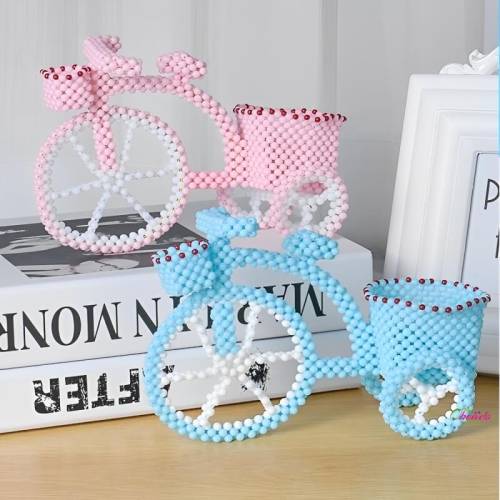
Crystal beads are faceted glass or crystal-cut beads engineered to maximize light refraction, giving them a distinctive sparkle that acrylic and standard glass beads cannot fully replicate. For buyers targeting a higher price point, crystal is often the material that closes the sale.
Advantages:
- Exceptional sparkle and light play, elevating perceived value
- Strong visual impact for premium or occasion-driven products
- Wide range of facet cuts and finishes for design flexibility
Considerations:
- Higher unit cost than acrylic or standard glass
- Slightly heavier, which can affect shipping economics
- More delicate than acrylic, requiring careful packaging
Best-fit products: evening bags, bridal and wedding decor, corporate gifts, and boutique-level home accents.
Ideal buyer profile: bridal retailers, luxury gift shops, and hospitality buyers sourcing bead craft supplies from China for high-end, occasion-based product lines.
IV. Glass Beads
Glass beads sit at the intersection of quality and accessibility. Produced from standard or art glass, they offer a classic, handcrafted aesthetic that appeals to buyers who want authenticity without crystal-level pricing.
Advantages:
- Balanced cost-to-quality ratio
- Broad color and finish range, including matte, opaque, and translucent options
- Time-tested material with strong consumer trust and a handmade bead craft supplies appeal
Considerations:
- Heavier than acrylic, which can increase freight costs
- Breakable if not packed correctly, particularly for large or bulk shipments
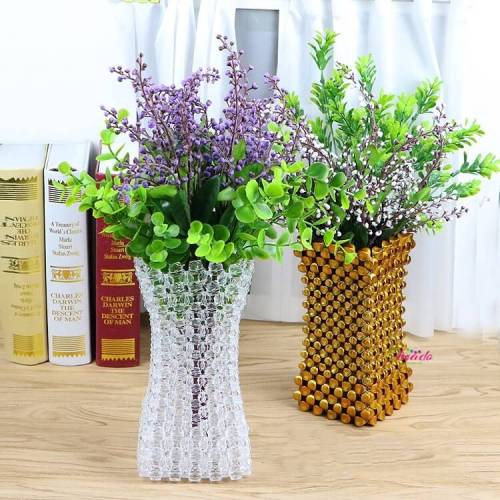
Best-fit products: decorative vases, beaded bags, home decor accents, and everyday accessories that benefit from a natural, artisanal look.
Ideal buyer profile: mid-market boutiques, home decor retailers, and general wholesalers seeking dependable bead craft supplies sourcing partners for year-round product lines.
V. Side-by-Side Comparison Table
Material | Cost | Weight | Durability | Visual Appeal | Best Use Case |
Acrylic | Low | Light | High (impact-resistant) | Bright, playful | Keychains, kids’ items, promotional gifts |
Crystal | High | Medium-Heavy | Moderate (delicate facets) | Premium, sparkling | Bridal decor, evening bags, corporate gifts |
Glass | Medium | Heavy | Moderate (breakable) | Classic, handcrafted | Vases, bags, home decor |
VI. How to Choose the Right Material for Your Market
Selecting the right bead craft supply starts with a few honest questions about your business:
- What price point does your customer expect? Budget-driven markets favor acrylic; premium markets justify crystal.
- What is your retail environment? A bridal boutique and a souvenir shop have very different aesthetic standards.
- How far will products ship, and how are they handled? Longer transit times and multiple handling points favor lighter, more impact-resistant materials.
- Is the product seasonal or year-round? Crystal often performs best around weddings and holidays, while glass and acrylic support steady, year-round sales.
- How will the product be marketed and displayed? Items sold under bright retail lighting or photographed for e-commerce benefit from crystal’s light-catching facets, while glass and acrylic tend to photograph more consistently under variable lighting conditions.
- What is your order volume and reorder frequency? Buyers placing frequent, smaller reorders may value acrylic’s forgiving production timelines, while larger, less frequent bulk orders can better absorb the longer lead times sometimes associated with crystal detailing.
It also helps to think beyond the beads themselves and consider the total cost of ownership for each material — including packaging requirements, insurance on higher-value crystal shipments, and potential return rates tied to breakage. A material that looks cheaper on a per-unit basis can end up costing more once these downstream factors are included, so it pays to model the full landed cost rather than comparing sticker prices alone.
Many experienced wholesale buyers do not commit to a single material at all. Instead, they mix acrylic, crystal, and glass across a product line to serve multiple price tiers simultaneously — offering an entry-level acrylic version alongside a premium crystal edition of the same design. This approach, often supported through custom bead craft supplies programs, allows one product concept to reach a broader range of customers, and gives buyers a natural way to test new markets without committing their full budget to a single material.
VII. Quality Considerations Beyond Material
Material is only one part of the equation. Even the right bead type can underperform if the surrounding craftsmanship is lacking. Buyers should also evaluate:
- Coating and finish: UV-resistant coatings and colorfast dyes prevent fading from sunlight or repeated handling, which is especially important for retail display pieces.
- Stringing and construction method: The strength of the cord, wire, or thread used to assemble beads directly affects the product’s lifespan, particularly for bags and wearable items.
- Customization options: A capable manufacturer should be able to adjust color, bead size, and packaging across acrylic, crystal, and glass lines alike, giving buyers flexibility as trends shift.
- Consistency across production runs: For wholesale orders, batch-to-batch consistency in color and sizing matters as much as the beads themselves — a hallmark of an experienced bead craft supplies factory rather than a small, informal workshop.
These factors are often what separate a product that performs well in-store from one that generates returns and complaints, regardless of which material was chosen.
VIII. Recommended Supplier of Beaded Crafts
Choosing the right bead material is only half the equation — sourcing it from a manufacturer with real production expertise is what protects your margins and your reputation with customers. Obeado Crafts Co., Ltd. has spent more than 15 years manufacturing ready-made beaded crafts in China, working across acrylic, crystal, and glass to serve wholesale buyers around the world.
As an established bead craft manufacturer, Obeado offers OEM customization, low minimum order quantities, and sample availability, making it practical for buyers to test a design before committing to a full production run. The company’s factory-direct model also supports competitive pricing across bags, figurines, vases, keychains, wedding decor, and seasonal gift items — giving buyers a single, reliable bead craft supplier for multiple product categories rather than juggling several vendors. For buyers who also prioritize responsible sourcing, Obeado’s production practices support demand for eco-friendly bead craft supplies alongside its standard offering.
Whether you need acrylic pieces for a high-volume gift program, crystal designs for a bridal collection, or glass-beaded decor for a home goods line, working with an experienced bead craft supply partner like Obeado simplifies sourcing while maintaining consistent quality across every material type.
Obeado Crafts Co., Ltd.
Web: https://obeado.com/
Email: sales@obeado.com