Somewhere between your third late night hand-stringing beads for a market stall and your first wholesale order request from a boutique three states away, a question starts nagging at you: can I actually keep making all of this myself?
For most gift shop owners, Etsy sellers, and boutique buyers, that question marks the start of a search that feels a lot bigger than it should. You open a browser, type “craft manufacturer,” and the results are a wall of directories, unfamiliar company names, and product photos that all start to look the same. Some sites are clearly trading companies dressed up as factories. Others look legitimate but give you no way to tell. And somewhere in that mix is a supplier who could genuinely become a long-term partner, if you knew what to look for.
This guide walks through exactly that: how to figure out what kind of manufacturer you need, where to actually find one, how to vet them before you ever send an email, and what that first inquiry should say. By the end, you’ll have a clear process instead of a browser full of open tabs.
I. Know What You're Actually Looking For First
Before you search for anything, get specific about what “manufacturer” means for your business. The term gets used loosely, and the differences matter more than they seem.
A manufacturer actually produces the goods. A wholesaler buys finished products in bulk and resells them, often at a markup, without touching production. A trading company sits somewhere in between — they take your order and route it to a factory, adding a layer of cost and, frequently, a layer of miscommunication. If your goal is consistent quality and pricing you can plan around, working with the actual production source matters.
You’ll also need to decide between two very different sourcing paths:
- OEM (custom manufacturing): You bring the design, materials, or concept, and the factory builds it to your specifications. This is the route for private label products or anything that needs to match your brand exactly.
- Ready-made sourcing: You select from a manufacturer’s existing catalog. This is faster, usually has lower MOQs, and works well when you want proven, market-tested designs rather than starting from a blank page.
Neither is inherently better. A lot of retailers actually use both — building a core assortment from a ready made craft manufacturer’s catalog while developing a handful of custom SKUs as their brand grows.
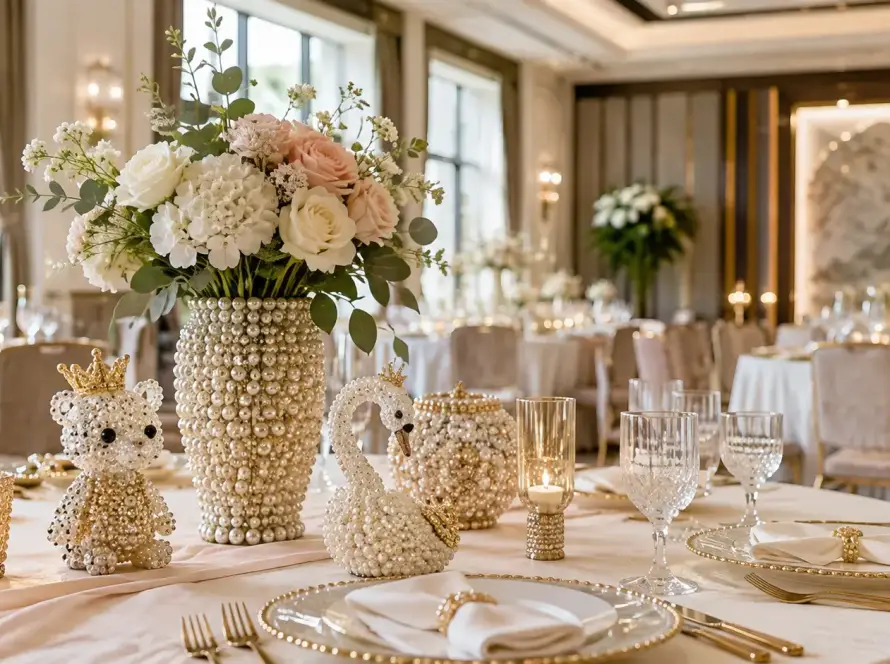
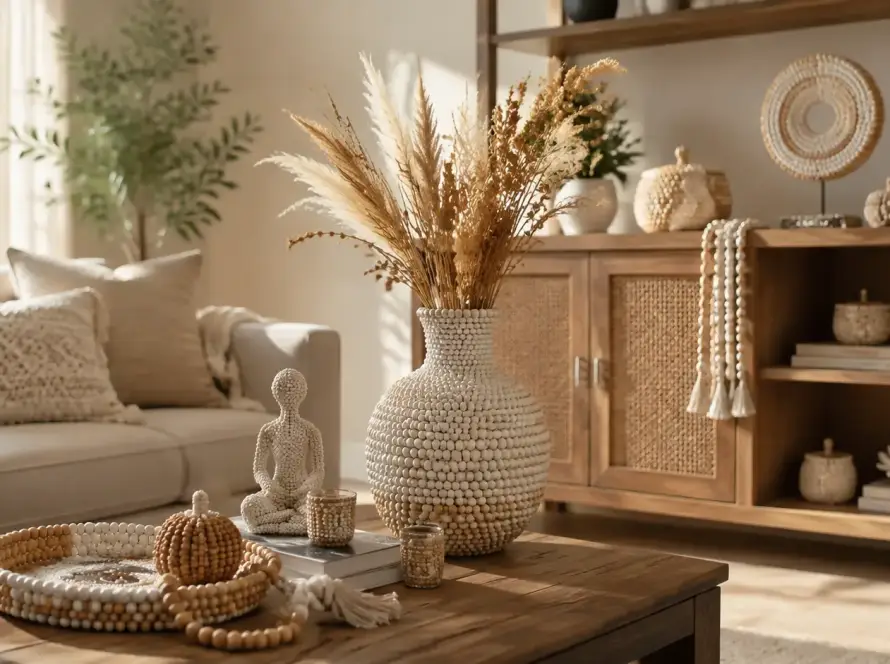
“Craft manufacturer” is too broad a term to search well. A factory that makes wooden toys and a workshop that hand-strings beaded home decor are not interchangeable, even if both show up under the same keyword. The more specific you are — beaded crafts, resin ornaments, macrame — the faster you’ll filter out suppliers who aren’t a fit for a custom craft manufacturer relationship or a wholesale craft manufacturer partnership.
II. Where to Find Craft Manufacturers
Once you know what you’re looking for, the search itself has a handful of reliable starting points.
B2B marketplaces like Alibaba, Made-in-China, and Global Sources are the obvious first stop, and for good reason — they list thousands of suppliers with reviews, transaction history, and verified badges. The tradeoff is volume: you’ll need to filter aggressively, since these platforms mix genuine factories with trading companies and drop-shippers.
Trade shows, whether the Canton Fair or smaller regional gift and home fairs, let you meet suppliers face-to-face and handle actual product samples before committing to anything. If you can attend one, even virtually, it’s worth the time.
Direct manufacturer websites tend to get overlooked, but they’re often the better option once you know your niche. A craft manufacturer from China with its own site — rather than just a marketplace storefront — has usually invested in showing its actual production process, team, and catalog. Pricing tends to be more direct too, since there’s no marketplace commission built in.
Referrals round out the list. Ask other retailers in your category who they source from, or look for supplier mentions in industry Facebook groups and forums. A recommendation from someone who’s already placed orders and dealt with reorders, damages, or delays carries more weight than any star rating.
However you find candidates, treat this stage as building a shortlist, not making a decision. Five or six manufacturers worth contacting is a good starting point for any craft manufacturer sourcing project.
III. Vetting a Manufacturer Before You Message Them
Not every listing that calls itself a “craft manufacturer” or “craft exporter” is actually running production. Before you send a single message, spend ten minutes checking a few things.
How long have they been operating?
A company that lists “since 2011” or “10+ years” on its about page has weathered order cycles, seasonal demand swings, and quality issues long enough to build real processes around them. That doesn’t guarantee a good fit, but longevity in a specific craft category is a reasonable signal of stability.
Do they specialize, or do they make everything?
A handicraft manufacturer that produces beaded goods, wooden items, resin crafts, and textiles all under one roof is often a trading operation coordinating multiple subcontractors. A supplier focused on one material or technique — beadwork, for instance — has usually developed deeper expertise, tighter quality control, and a more original design library within that niche.
Are the photos real?
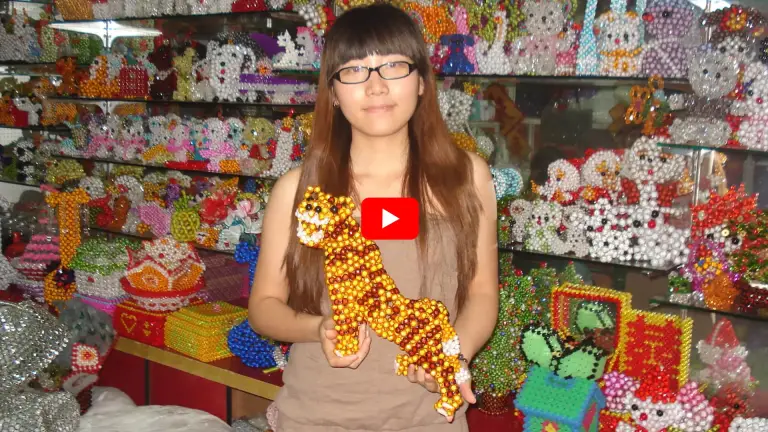
Stock catalog images tell you nothing about who’s actually making the product. Look for workshop photos, videos of the production process, or team photos on an about page. A handmade craft manufacturer that shows the actual people threading, weaving, or assembling the work is showing you something a stock photo can’t fake.
What do existing clients say?
Testimonials that mention specifics — reorder timelines, how issues were handled, communication during tight deadlines — are worth far more than generic five-star praise. If a supplier’s site includes named clients with roles (a purchasing manager, a brand owner), that’s a good sign they have real, ongoing relationships to point to.
None of these checks take long individually, but together they’ll cut your shortlist down to the suppliers actually worth your time.
IV. Questions to Ask Before Your First Order
Once you’ve narrowed things down, your first message shouldn’t just ask “can you make this.” A short, well-prepared set of questions tells a craft supplier you’re a serious buyer and gets you the information you actually need to compare options.
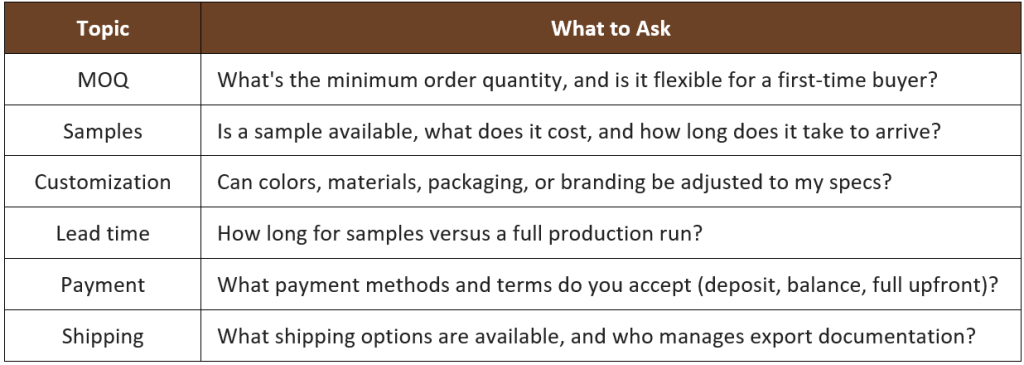
Low MOQ matters more than most first-time buyers realize. A manufacturer that requires 5,000 units per design isn’t a workable partner if you’re testing a new product line with a boutique’s worth of shelf space. Suppliers who are used to working with smaller retailers, gift shops, and independent brands tend to offer far more reasonable minimums, and sample availability specifically is one of the clearest signs of that flexibility.
V. Red Flags to Watch For
A few warning signs are worth taking seriously, even if everything else about a supplier looks promising:
- No verifiable factory address, or vague language like “our partner facilities” instead of a specific location
- Reluctance or refusal to send samples, or samples that look nothing like the catalog photos
- Pricing that’s dramatically lower than comparable suppliers for handcrafted goods — genuine handwork has a cost floor that can’t be undercut indefinitely
- Slow, vague, or inconsistent replies during the inquiry stage, before you’ve even placed an order
- Pressure to commit to a large order before you’ve received or approved a sample
If you notice two or more of these in your first exchange with a handcraft manufacturer, it’s usually a sign to move to the next name on your shortlist rather than trying to work around the issue.
VI. What a Good First Inquiry Email Should Include
A clear, well-structured inquiry gets faster, more useful responses. At minimum, include:
- The specific product type and category you’re interested in
- An estimated quantity range, even a rough one
- Your target price point, or a request for a quote sheet if you’re not sure yet
- Whether you’d like to start with a sample
- Your general timeline for a decision or first order
Keep it short. Suppliers who deal with dozens of inquiries a week respond faster to a specific, five-sentence message than a long one that buries the actual ask. If you’re not sure how detailed to be, err toward giving too much context rather than too little — it saves a round trip of clarifying questions.
VII. Recommended Beaded Craft Manufacturer — Obeado
Finding the right craft manufacturer isn’t about landing on the first supplier who replies fastest. It’s about knowing what you actually need, checking the details that separate a real production partner from a middleman, and asking the right questions before money changes hands. Do that groundwork once, and reordering becomes simple instead of another search from scratch.
If beaded crafts are on your sourcing list, Obeado is happy to send samples, answer questions about customization, or walk you through the catalog directly — reach out through the contact page whenever you’re ready to start the conversation.
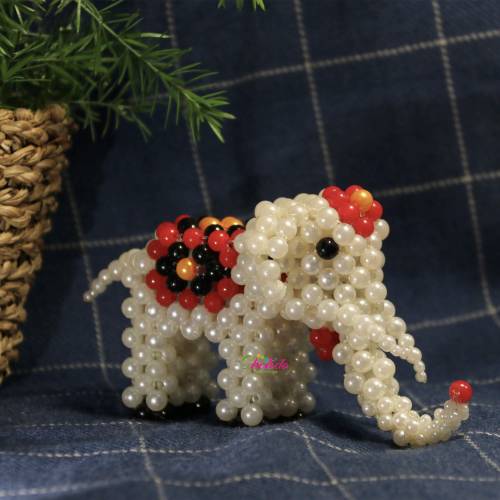
Based in Guangxi, China, Obeado has been producing beaded crafts since 2011 — starting as a small workshop and growing into a dedicated factory supported by more than 100 skilled home-based artisans. Unlike a general gift manufacturer juggling multiple materials and product lines, Obeado works exclusively in beadwork, which shows in the depth of its catalog: over 500 designs spanning beaded home decor, figurines, vases, bags, keychains, and seasonal pieces like Christmas ornaments.
Obeado Crafts Co., Ltd.
Web: https://obeado.com/
Email: sales@obeado.com